New York’s Crown Jewel: Visiting the Empire State Building

The Empire State Building, an iconic symbol of New York City, stands as a testament to human ambition and architectural prowess. Completed in 1931, this towering structure has captured the imagination of millions, making it a must-see destination for visitors worldwide.
History of the Empire State Building
The Empire State Building's history is rooted in the competitive spirit of the 1920s, a time known for the race to construct the world's tallest building. Designed by architects Shreve, Lamb & Harmon, the project broke ground in 1930. Astonishingly, the building was completed in just over a year, opening its doors on May 1, 1931.
This remarkable feat was achieved despite the Great Depression, showcasing resilience and determination. Originally conceived as a business hub, the building quickly became a cultural icon, appearing in countless films and photographs.

Architectural Marvel
Standing at 1,454 feet tall, including its antenna, the Empire State Building was the tallest building in the world until 1971. Its design, characterized by Art Deco style, features a sleek, symmetrical structure with setbacks that enhance its vertical lines. The limestone facade and aluminum spire add to its elegance, making it a timeless piece of architecture.
Places to Explore
Observatories
The Empire State Building offers two main observatories:

- 86th Floor Observatory: This open-air deck provides unparalleled 360-degree views of New York City. Visitors can spot iconic landmarks such as Central Park, the Statue of Liberty, and the Brooklyn Bridge. Telescopes are available for a closer look, and informative plaques highlight points of interest.
- 102nd Floor Observatory: For those seeking an even higher perspective, the enclosed observatory on the 102nd floor offers sweeping panoramic views. Recently renovated, this space provides a luxurious experience with floor-to-ceiling windows.
Interactive Exhibits
- The "Dare to Dream" Exhibit: Located on the 80th floor, this exhibit delves into the construction history of the building. It showcases original documents, photographs, and architectural sketches that bring the building’s story to life.
- Sustainability Exhibit: Highlighting the Empire State Building’s commitment to eco-friendly practices, this exhibit details the innovative efforts taken to reduce energy consumption and enhance sustainability.

Art Deco Lobby
The ground-floor lobby is a masterpiece of Art Deco design. With its stunning ceiling murals, bronze medallions, and marble accents, the lobby is a work of art. Visitors can also admire the restored features that reflect the building’s historical significance.
Best Time to Visit
The Empire State Building is open year-round, but the best time to visit depends on your preferences. Early mornings or late evenings tend to be less crowded, allowing for a more relaxed experience. Visiting during sunset provides a spectacular view as the city transitions from day to night, with twinkling lights enhancing the skyline.
Tips for Visiting
- Buy Tickets in Advance: To avoid long lines, purchase tickets online ahead of time.
- Dress Comfortably: The observatories can be breezy, so dress accordingly.
- Plan Your Visit: Allocate at least two hours to fully enjoy the exhibits and views. If you are not a native New Yorker, keep a time zone converter handy to get New York time while planning your trip.
- Photography: Don't forget your camera for capturing unforgettable moments.
Conclusion
The Empire State Building is more than just a skyscraper; it's a symbol of innovation, resilience, and the spirit of New York City. Whether you're marveling at its architectural beauty, exploring its rich history, or soaking in the breathtaking views, a visit to this iconic landmark is an unforgettable experience. Plan your visit carefully to maximize your time at this iconic institution, and you'll leave with a greater understanding for the beauty and intricacy of human invention.
The Metropolitan Museum of Art: A Journey Through History and Culture

The Metropolitan Museum of Art, commonly known as "The Met," stands as one of the world's most renowned and extensive art museums. Located in New York City, it boasts a rich history and an impressive collection that spans over 5,000 years of art from various cultures and regions. This article delves into the history of The Met, the places to explore within the museum, and the best time to visit this iconic institution.
A Glimpse into History
The Metropolitan Museum of Art was founded in 1870 by a group of American citizens including businessmen, artists, and philanthropists. Their mission was to establish a museum that would bring art and art education to the American people. The museum first opened its doors on February 20, 1872, at 681 Fifth Avenue. However, the collection soon outgrew this location, leading to the construction of a new building in Central Park, designed by the architectural firm Calvert Vaux and Jacob Wrey Mould.
The Met's collection rapidly expanded through acquisitions and donations, including the purchase of the Cesnola Collection of Cypriot antiquities in 1874. The museum continued to grow, both in size and reputation, under the leadership of notable directors like J. Pierpont Morgan, who served from 1904 to 1913, and Thomas Hoving, who introduced groundbreaking exhibitions in the 1960s and 1970s.
Exploring The Met
The Met is divided into three main locations: The Met Fifth Avenue, The Met Breuer, and The Met Cloisters. Each offers unique experiences and collections.

The Met Fifth Avenue
The main building, located on Fifth Avenue in Central Park, is an architectural marvel. It houses over two million works of art, divided into seventeen curatorial departments. Some of the must-see areas include:
- The Egyptian Art Collection: One of the most extensive collections of Egyptian artifacts outside of Cairo. Highlights include the Temple of Dendur, a Nubian monument dating back to around 15 B.C., and the tomb of Perneb.
- The American Wing: Showcasing American art from colonial times to the early twentieth century, this wing features period rooms, paintings, and decorative arts. Notable pieces include Emanuel Leutze's "Washington Crossing the Delaware" and John Singer Sargent's portraits.
- European Paintings: Home to masterpieces by artists such as Rembrandt, Vermeer, Van Gogh, and Monet. The collection spans from the thirteenth to the nineteenth century, providing a comprehensive overview of European art history.
- The Costume Institute: Famous for its annual Met Gala, this institute explores the history of fashion. The rotating exhibitions feature garments from different eras and designers, making it a favorite among fashion enthusiasts.
- The Islamic Art Collection: This collection includes exquisite examples of ceramics, textiles, metalwork, and manuscripts from across the Islamic world, with highlights such as the Damascus Room, a lavishly decorated reception chamber from an eighteenth-century house.

The Met Breuer
Located on Madison Avenue, The Met Breuer focuses on modern and contemporary art. Opened in 2016 in the former Whitney Museum building, it features rotating exhibitions that explore twentieth and twenty-first-century art, providing a platform for living artists and new interpretations of modern art.
The Met Cloisters
Situated in Fort Tryon Park, The Met Cloisters is dedicated to the art and architecture of medieval Europe. The building itself is a work of art, incorporating elements from various European monasteries. Visitors can explore galleries filled with medieval sculptures, tapestries, and manuscripts, set within tranquil gardens that evoke the spirit of the Middle Ages.

Best Time to Visit
Visiting The Met can be a rewarding experience at any time of year, but certain periods offer distinct advantages.
- Spring and Fall: These seasons provide pleasant weather, making it an ideal time to explore both the museum and Central Park. The park's blooming flowers in spring and colorful foliage in fall add to the overall experience.
- Weekdays: To avoid the largest crowds, plan your visit during weekdays, particularly in the morning or late afternoon. Mondays and Wednesdays tend to be less crowded.
- Special Exhibitions: Check The Met's website for information on special exhibitions and events. These temporary shows often feature rare and significant works that can enhance your visit.
- Cultural Events: The Met hosts a variety of events, including concerts, lectures, and family programs. Attending one of these events can provide a deeper understanding of the collections and enrich your museum experience.
Visiting Tips
- Tickets and Admission: Admission to The Met is pay-what-you-wish for residents of New York State and students from New York, New Jersey, and Connecticut. For others, general admission tickets are required, with discounts available for seniors and children. Consider purchasing tickets online to save time.
- Guided Tours: The Met offers guided tours that provide insights into the collections and history of the museum. Audio guides are also available for self-paced exploration.
- Dining Options: The museum has several dining options, including cafes and a rooftop garden bar (seasonal). The views from the rooftop are particularly stunning and worth a visit.
- Accessibility: The Met is committed to accessibility, offering services such as wheelchairs, assistive listening devices, and accessible entrances. Check the museum's website for detailed information on accessibility.
Conclusion
The Metropolitan Museum of Art is more than just a repository of art; it is a gateway to the world's cultural heritage. Its vast and diverse collections offer something for everyone, from ancient artifacts to contemporary masterpieces. Whether you're an art aficionado or a casual visitor, The Met promises an enriching and unforgettable experience. If you are not a native New Yorker, keep a time zone converter available to acquire NYC time while planning your trip. Plan your visit thoughtfully to make the most of your time at this iconic institution, and you'll leave with a deeper appreciation of the beauty and complexity of human creativity.
Central Park: A Timeless Oasis in the Heart of New York City

Central Park, a sprawling green oasis nestled in the heart of Manhattan, is one of the most iconic urban parks in the world. Covering 843 acres, this beloved landmark offers a tranquil escape from the hustle and bustle of New York City. With a rich history, diverse attractions, and year-round activities, Central Park is a must-visit destination for locals and tourists alike. This article explores the history of Central Park, highlights its key attractions, and provides tips on the best times to visit.
The History of Central Park
The idea for Central Park was conceived in the mid-19th century, driven by the need for a public green space in a rapidly growing city. In 1853, the New York State Legislature set aside over 700 acres of land in the center of Manhattan for the creation of the park. A design competition was held, and the winning proposal, known as the "Greensward Plan," was submitted by landscape architects Frederick Law Olmsted and Calvert Vaux.
Construction of Central Park began in 1858 and continued for over a decade. The project was a massive undertaking, involving the relocation of thousands of residents and the transformation of a rocky, swampy area into a lush, landscaped park. The design incorporated elements of both formal gardens and naturalistic landscapes, creating a harmonious blend of open meadows, woodlands, and water features.
Central Park officially opened in 1858, but its development continued well into the 1870s. Over the years, the park has undergone numerous renovations and restorations to preserve its beauty and functionality. Today, it stands as a testament to the vision and ingenuity of its creators, providing a serene and picturesque retreat for millions of visitors each year.
Exploring the Central Park
Central Park is home to a wide array of attractions, each offering unique experiences and sights. Here are some of the must-see places to explore within the park:
Bethesda Terrace and Fountain: Bethesda Terrace and Fountain is often considered the heart of Central Park. The grand staircase, adorned with intricate carvings, leads to a stunning fountain featuring the Angel of the Waters statue. The terrace overlooks the picturesque Bethesda Terrace and Fountain, a popular spot for photography and relaxation.

The Mall and Literary Walk: The Mall, a wide, tree-lined promenade, is one of the most iconic features of Central Park. It is flanked by American elm trees, creating a lush canopy overhead. At the southern end of The Mall is Literary Walk, which features statues of renowned writers, including William Shakespeare and Robert Burns.
Strawberry Fields: Strawberry Fields is a tranquil, meditative area dedicated to the memory of John Lennon, the legendary musician and member of The Beatles. The centerpiece of this serene spot is the Imagine mosaic, a tribute to Lennon's vision of peace.
Central Park Zoo: The Central Park Zoo is a favorite attraction for families and animal lovers. It houses a diverse collection of animals, from snow leopards to sea lions, and features interactive exhibits and educational programs. The adjacent Tisch Children's Zoo offers a hands-on experience for young visitors.
Belvedere Castle: Belvedere Castle, perched atop Vista Rock, provides panoramic views of the park and the city beyond. This charming, medieval-style structure houses a visitor center and an observation deck, making it a perfect spot for sightseeing and photography.

The Great Lawn: The Great Lawn is a vast, open space that serves as a gathering place for picnics, sports, and concerts. It is surrounded by trees and offers stunning views of the city skyline. The Great Lawn is also home to the Delacorte Theater, where the annual Shakespeare in the Park performances are held.
Bow Bridge: Bow Bridge is one of Central Park's most romantic and picturesque locations. This elegant cast-iron bridge spans the Lake, offering stunning views of the surrounding landscape. It is a popular spot for couples and photographers, especially during the spring and fall seasons.
The Ramble: The Ramble is a 36-acre woodland area designed to resemble a wild, natural landscape. It features winding paths, rocky outcrops, and dense vegetation, creating a haven for birdwatchers and nature enthusiasts. The Ramble is ideal for those seeking a more secluded and immersive experience within the park.
The Conservatory Garden: The Conservatory Garden is a formal garden divided into three distinct sections: the Italian Garden, the French Garden, and the English Garden. Each section features beautifully manicured lawns, vibrant flowerbeds, and ornate fountains. The garden is a peaceful retreat, perfect for a leisurely stroll or quiet contemplation.

The Jacqueline Kennedy Onassis Reservoir: The Jacqueline Kennedy Onassis Reservoir is a scenic water body surrounded by a 1.58-mile running track. It offers breathtaking views of the city skyline and is a popular spot for jogging, walking, and birdwatching. The reservoir is particularly beautiful during the spring and fall, when the surrounding trees are in full bloom or adorned with vibrant foliage.
Conclusion
Central Park is more than just a park; it is a cultural and historical treasure that continues to captivate visitors with its natural beauty and diverse attractions. Whether you're exploring its iconic landmarks, enjoying a peaceful moment in its gardens, or partaking in seasonal activities, Central Park offers something for everyone. Its timeless appeal and ever-changing landscape ensure that each visit is a new and memorable experience. If you are not a native New Yorker, keep a time zone converter handy to get NYC time while planning your stay.
New York: The City That Never Sleeps

New York City (NYC), often referred to simply as New York, is one of the most iconic and vibrant cities in the world. Known for its towering skyscrapers, cultural diversity, and bustling streets, New York is a place that offers something for everyone. This article will delve into the rich history of New York, highlight some must-visit places, and provide tips on the best times to explore this incredible city.
History of New York
Early History
New York's history dates back to the early 17th century when it was first settled by the Dutch. In 1624, the Dutch established a fur trading post on the southern tip of Manhattan Island, calling it New Amsterdam. The settlement quickly grew, becoming a bustling port due to its strategic location. However, in 1664, the English seized control of the colony and renamed it New York in honor of the Duke of York, who later became King James II of England.
Growth and Development
Throughout the 18th and 19th centuries, New York City continued to grow in size and influence. It played a crucial role during the American Revolution, serving as a battleground and later as the first capital of the United States. The construction of the Erie Canal in 1825 was a pivotal moment, connecting the Atlantic Ocean to the Great Lakes and facilitating the flow of goods and people, which spurred economic growth.
The Modern Era
The late 19th and early 20th centuries saw a massive influx of immigrants from around the world, making New York a melting pot of cultures. Landmarks such as the Statue of Liberty, which welcomed millions of immigrants arriving by sea, and the construction of iconic skyscrapers like the Empire State Building and the Chrysler Building, symbolized New York's status as a global metropolis. The city's financial district, centered on Wall Street, became the economic hub of the world.
Places to Explore in New York City
Central Park
Central Park is an urban oasis in the heart of Manhattan. Spanning 843 acres, it offers a variety of activities, including boating, horseback riding, and picnicking. Visitors can explore famous attractions like Bethesda Terrace, the Central Park Zoo, and the iconic Bow Bridge. The park's lush landscapes and tranquil atmosphere provide a perfect escape from the city's hustle and bustle.
The Metropolitan Museum of Art
The Metropolitan Museum of Art, often referred to as "The Met," is one of the largest and most prestigious art museums in the world. Located on the eastern edge of Central Park, The Met houses an extensive collection of art spanning 5,000 years, from ancient Egyptian artifacts to contemporary pieces. Highlights include the Temple of Dendur, the European Paintings Gallery, and the Costume Institute.
Statue of Liberty and Ellis Island
The Statue of Liberty, a symbol of freedom and democracy, stands proudly on Liberty Island in New York Harbor. Visitors can take a ferry to the island, tour the statue, and enjoy breathtaking views of the city skyline. Nearby Ellis Island, once the busiest immigration inspection station in the United States, now houses a museum dedicated to the history of American immigration.

Times Square
Known as "The Crossroads of the World," Times Square is an iconic destination that draws millions of visitors annually. This bustling commercial and entertainment hub is famous for its bright neon lights, giant digital billboards, and Broadway theaters. Visitors can enjoy world-class dining, shopping, and entertainment, making it a must-see attraction.
The Empire State Building
An enduring symbol of New York City's architectural prowess, the Empire State Building offers stunning views from its observation decks on the 86th and 102nd floors. Visitors can learn about the building's history, marvel at the Art Deco design, and enjoy panoramic vistas of the city.

Conclusion
New York City is a dynamic and diverse metropolis with a rich history and countless attractions. Whether you're interested in exploring world-class museums, strolling through iconic parks, or experiencing the vibrant nightlife, New York has something to offer. If you live in a different time zone, keep a time zone converter ready for getting NYC time while planning your travel. So, pack your bags and head out to explore this bustling metropolis, making the most of your time and creating great experiences in the city that never sleeps.
From the Great Wall to the Bund: Top Destinations in China

China's history is a tapestry of rich, diverse, and complex events that have shaped not only the country itself but also the world. With a recorded history spanning over 3,000 years, China is one of the world's oldest civilizations. The early Chinese civilization emerged in the Yellow River Valley, known as the cradle of Chinese civilization.
The Xia Dynasty (c. 2070-1600 BCE) is often considered the first Chinese dynasty, though its existence is sometimes debated due to the lack of written records. The Shang Dynasty (c. 1600-1046 BCE) followed, leaving behind the earliest known Chinese writing system and significant advancements in bronze work. The Zhou Dynasty (1046-256 BCE) introduced the concept of the Mandate of Heaven, which justified the rule of the emperor as divinely sanctioned.
China's imperial history is marked by the rise and fall of dynasties. The Qin Dynasty (221-206 BCE) unified China for the first time under Emperor Qin Shi Huang, who also began the construction of the Great Wall. The Han Dynasty (206 BCE-220 CE) saw the expansion of the Silk Road and significant cultural and technological advancements. Subsequent dynasties, such as the Tang (618-907) and Song (960-1279), were periods of cultural flourishing and economic prosperity.
The Yuan Dynasty (1271-1368), established by the Mongol leader Kublai Khan, marked a period of foreign rule. The Ming Dynasty (1368-1644) restored Han Chinese rule and is famous for its naval expeditions and the construction of the Forbidden City in Beijing. The Qing Dynasty (1644-1912), established by the Manchus, was the last imperial dynasty of China.
The 20th century brought dramatic changes with the fall of the Qing Dynasty, the establishment of the Republic of China in 1912, and the subsequent Chinese Civil War. The People's Republic of China was founded in 1949 under the leadership of the Communist Party, with Mao Zedong as its first leader. Since then, China has undergone rapid economic development and transformation, emerging as a major global power.
Places to Explore
The Great Wall of China: One of the most iconic landmarks in the world, the Great Wall of China stretches over 13,000 miles across northern China. Originally built to protect against invasions, the Wall is a testament to China's engineering prowess and historical determination. Popular sections to visit include Badaling, Mutianyu, and Jinshanling.

The Forbidden City: Located in the heart of Beijing, the Forbidden City served as the imperial palace for 24 emperors during the Ming and Qing dynasties. This sprawling complex of palaces, halls, and gardens is a UNESCO World Heritage Site and offers a glimpse into the opulent lives of China's emperors.

Terracotta Army: Discovered in 1974 near Xi'an, the Terracotta Army is a collection of thousands of life-sized clay soldiers buried with China's first emperor, Qin Shi Huang. Each figure is unique, and the site is considered one of the greatest archaeological finds of the 20th century.
Zhangjiajie National Forest Park: Famed for its towering sandstone pillars, Zhangjiajie National Forest Park in Hunan Province inspired the floating mountains in the movie "Avatar." The park offers breathtaking landscapes, glass-bottomed bridges, and the world's longest and highest glass bridge.

Li River and Yangshuo: The Li River in Guangxi Province is renowned for its picturesque karst landscape. A cruise down the river from Guilin to Yangshuo offers stunning views of limestone peaks, bamboo groves, and traditional fishing villages. Yangshuo, with its laid-back atmosphere and outdoor activities, is a popular destination for travelers.
The Bund in Shanghai: Shanghai's Bund is a waterfront promenade along the Huangpu River, offering a striking contrast between the colonial-era buildings and the futuristic skyline of Pudong across the river. The Bund is a symbol of Shanghai's historical and modern transformation.
Potala Palace: Perched atop Marpo Ri hill in Lhasa, Tibet, the Potala Palace is a stunning example of Tibetan architecture and a spiritual center for Tibetan Buddhism. Once the residence of the Dalai Lama, the palace is now a museum and a UNESCO World Heritage Site.

Best Time to Visit
China's vast size and diverse climate mean that the best time to visit varies by region. However, generally speaking, spring (April to June) and autumn (September to October) are the most favorable times to explore the country.
- Spring (April to June): Spring is an excellent time to visit most parts of China. The weather is mild, flowers are in bloom, and outdoor activities are enjoyable. This season is ideal for visiting the Great Wall, exploring ancient cities, and experiencing China's vibrant festivals, such as the Qingming Festival (Tomb Sweeping Day) and the Dragon Boat Festival.
- Autumn (September to October): Autumn is another great time to visit, with pleasant temperatures and clear skies. The fall foliage in places like Beijing, Xi'an, and Hangzhou is spectacular. Mid-Autumn Festival, celebrated with mooncakes and lanterns, is a cultural highlight during this season.
- Summer (July to August): Summer can be hot and humid, especially in southern China. However, it's a good time to visit the cooler mountainous regions, such as Zhangjiajie and Tibet. Coastal cities like Qingdao and Xiamen offer beach activities and seaside attractions.
- Winter (December to February): Winter is cold in northern China but offers unique experiences, such as the Harbin Ice and Snow Festival, where intricate ice sculptures and snow activities attract visitors from around the world. Southern China remains milder and is suitable for exploring cities like Guangzhou and Hong Kong.
Conclusion
China's vast landscapes, rich history, and diverse culture make it a fascinating destination for travelers. From ancient wonders like the Great Wall and Terracotta Army to the modern marvels of Shanghai and Beijing, China offers a blend of the old and the new. Whether you explore its historical sites, natural beauty, or vibrant cities, China promises an unforgettable journey through time and space. Plan your visit during the optimal seasons of spring and autumn to fully experience the charm and along with this check holidays in China prior to travel to improve your overall experience.
Discovering Mexico: A Journey Through History, Attractions, and Seasons
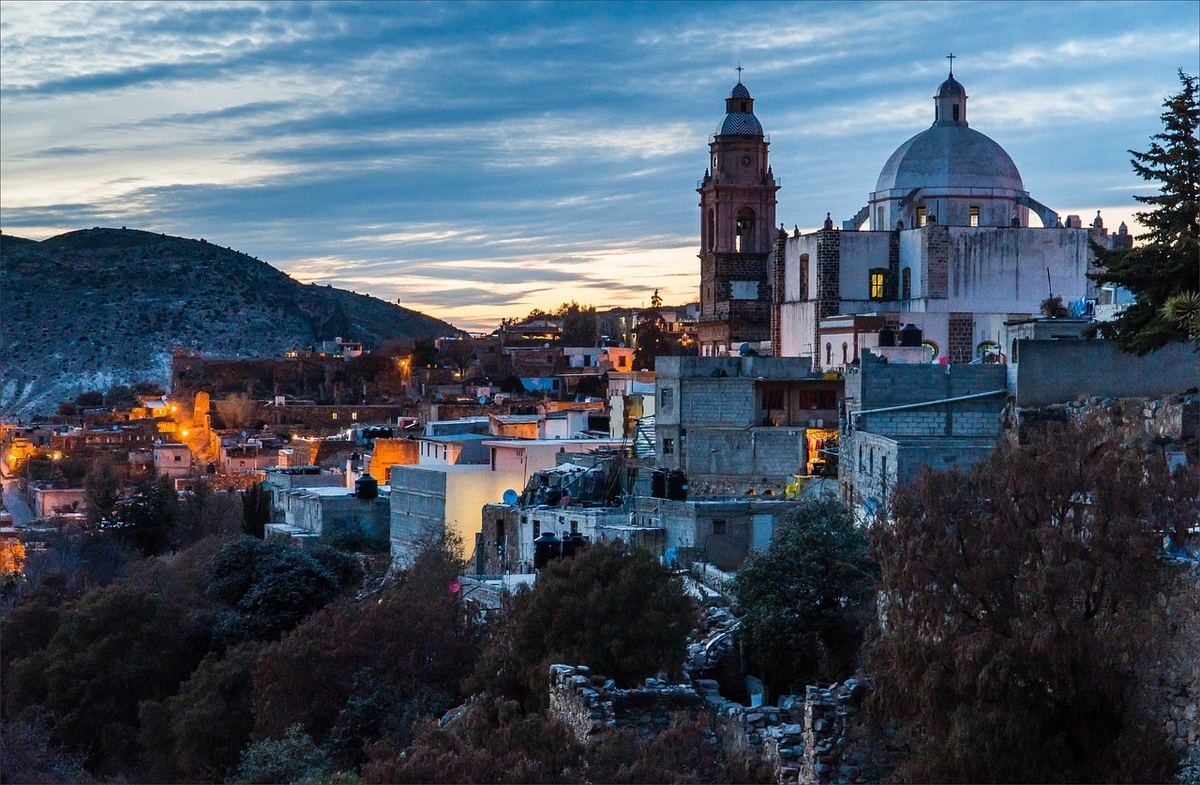
Mexico’s history is as diverse and vibrant as the culture and people that define it. The story of Mexico begins with the ancient civilizations that flourished long before the arrival of Europeans. The Olmecs, often considered the mother culture of Mesoamerica, set the stage around 1200 BCE with their colossal head sculptures and advanced societal organization.
Following the Olmecs, the Maya civilization reached its peak during the Classic period (250-900 CE). Known for their impressive pyramids, sophisticated calendar, and written script, the Maya left a lasting legacy, particularly in the Yucatán Peninsula. Simultaneously, the Zapotec and Mixtec cultures thrived in the Oaxaca region, building the city of Monte Albán, which became a major center of influence.
The rise of the Aztec Empire in the late Postclassic period marked a significant chapter in Mexico’s history. By the early 16th century, the Aztecs had established their capital, Tenochtitlán, on the site of present-day Mexico City. The city was a marvel of urban planning, featuring intricate canals, grand temples, and bustling markets. However, the arrival of Spanish conquistadors led by Hernán Cortés in 1519 marked the beginning of the end for the Aztec Empire.
The Spanish colonization that followed brought profound changes to the region. Mexico became the Viceroyalty of New Spain, a critical part of the Spanish Empire. The Spanish introduced Christianity, built numerous churches, and integrated European culture with indigenous traditions, resulting in a unique mestizo identity. After nearly 300 years of colonial rule, Mexico gained independence from Spain in 1821.
The 19th and 20th centuries saw Mexico undergoing significant political and social transformations, including the Mexican Revolution (1910-1920), which aimed to address deep-seated inequalities and resulted in substantial land reforms and the establishment of a more democratic government structure. Today, Mexico is a vibrant democracy, known for its rich cultural heritage, economic potential, and influence on the global stage.
Must-Visit Places in Mexico
Mexico City: Mexico City, the bustling capital, offers a blend of ancient and modern attractions. The historic center, a UNESCO World Heritage site, is home to the Zócalo, one of the largest public squares in the world, and the Metropolitan Cathedral. Nearby, the National Palace houses stunning murals by Diego Rivera depicting Mexico's history. Don’t miss the Templo Mayor, an Aztec temple unearthed in the heart of the city, and the Museo Nacional de Antropología, which showcases artifacts from Mexico's diverse civilizations.
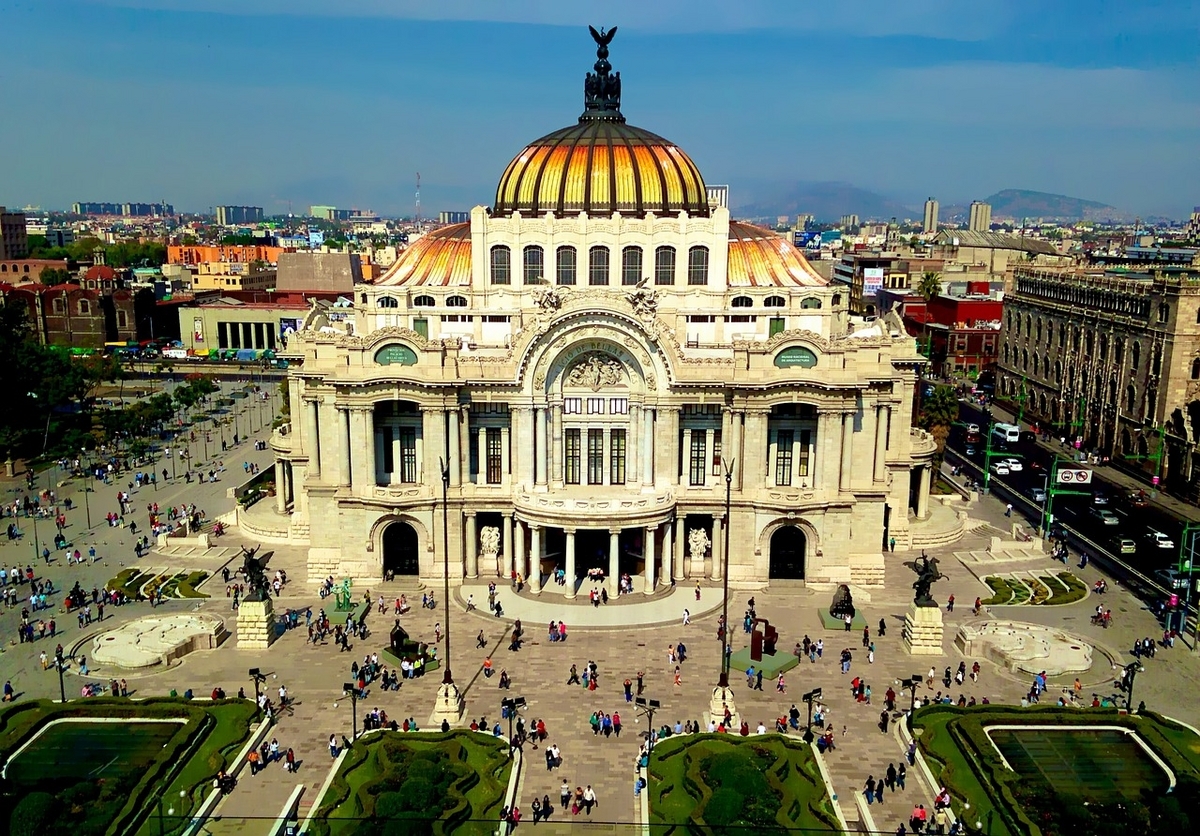
Teotihuacán: Just outside Mexico City lies Teotihuacán, one of the most significant archaeological sites in Mesoamerica. The ancient city, known as the "City of the Gods," features the towering Pyramid of the Sun and Pyramid of the Moon, connected by the Avenue of the Dead. The sheer scale and architectural precision of Teotihuacán continue to awe visitors and scholars alike.

Chichen Itza: In the Yucatán Peninsula, Chichen Itza stands as a testament to the grandeur of the Maya civilization. The site is dominated by the El Castillo pyramid, also known as the Temple of Kukulkan. During the spring and autumn equinoxes, the pyramid casts a shadow that resembles a serpent descending its steps, a phenomenon that draws crowds from around the world. Other notable structures include the Temple of the Warriors and the Great Ball Court.

Palenque: Nestled in the jungles of Chiapas, Palenque is a smaller yet equally impressive Maya site. Known for its intricate architectural details and stunning bas-reliefs, Palenque’s Temple of the Inscriptions contains one of the longest hieroglyphic texts discovered in the Americas. The site's lush surroundings add to its mystical ambiance.
Oaxaca: The city of Oaxaca, and the nearby ruins of Monte Albán, offer a glimpse into the Zapotec and Mixtec cultures. Oaxaca is renowned for its vibrant arts scene, traditional crafts, and culinary delights. Visitors can explore the colorful markets, sample mole (a traditional Mexican sauce), and participate in the lively Day of the Dead celebrations.
Cancún and the Riviera Maya: For those seeking sun and sand, Cancún and the Riviera Maya offer pristine beaches, turquoise waters, and luxury resorts. Beyond the beaches, visitors can explore the underwater museum MUSA, dive in the Great Maya Reef, or visit the eco-archaeological parks Xcaret and Xel-Há.
Guadalajara: Guadalajara, Mexico’s second-largest city, is the birthplace of mariachi music and tequila. The city’s historic center boasts colonial architecture, including the Guadalajara Cathedral and the Instituto Cultural Cabañas. The nearby town of Tequila offers tours of agave fields and distilleries, providing an in-depth look at the production of Mexico’s iconic spirit.
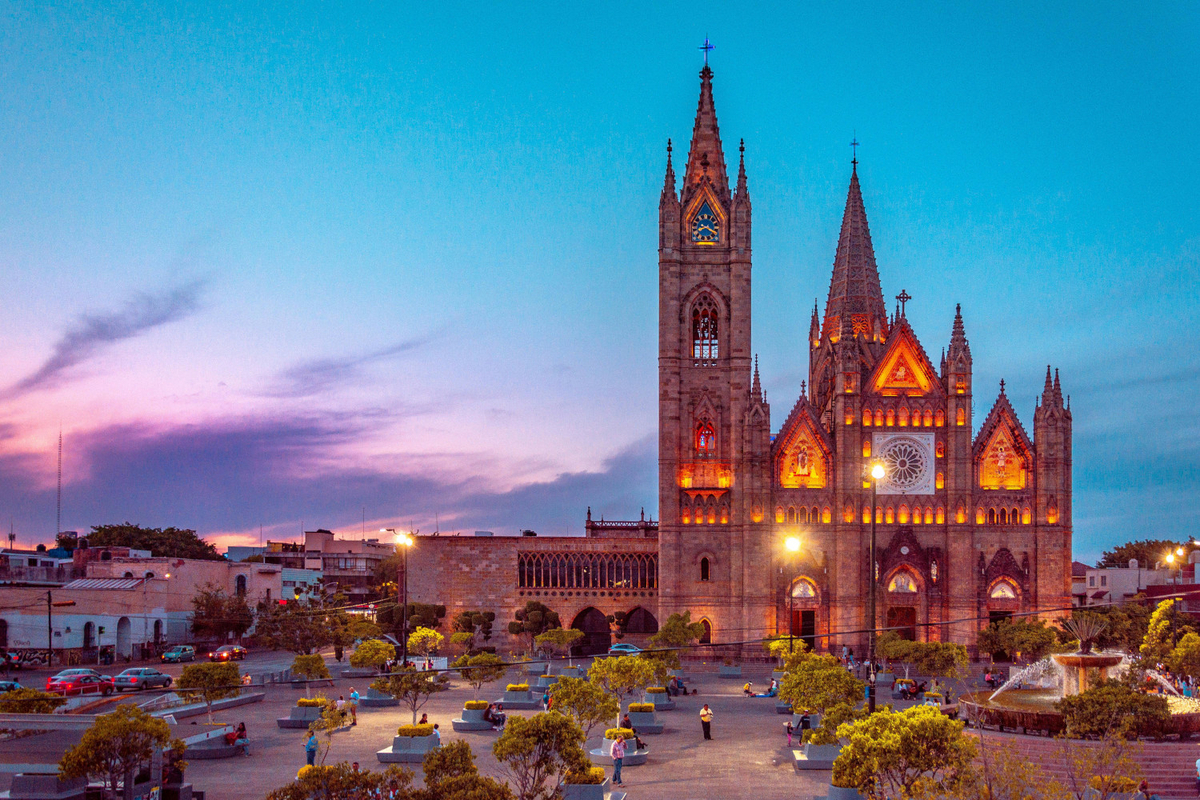
Copper Canyon: In northern Mexico, the Copper Canyon (Barranca del Cobre) is a series of six interconnected canyons, deeper and larger than the Grand Canyon. The region is perfect for hiking, horseback riding, and taking the famous Chihuahua al Pacífico Railway, which offers breathtaking views of the rugged landscape.
Best Time to Visit Mexico
Mexico’s diverse climate means that the best time to visit varies by region and interest:
- Coastal Areas: For beach destinations like Cancún, Puerto Vallarta, and Los Cabos, the dry season from November to April is ideal. Temperatures are warm, and there is little rainfall, making it perfect for water activities and sunbathing.
- Central Highlands: Mexico City, Guadalajara, and Oaxaca enjoy a mild climate year-round. However, the best time to visit these areas is during the dry season from November to April. This period offers pleasant temperatures and minimal rain, ideal for exploring urban and archaeological sites.
- Northern Mexico: In the desert regions and Copper Canyon, spring (March to May) and autumn (September to November) provide moderate temperatures suitable for outdoor activities. Summers can be extremely hot, while winters are cooler and sometimes snowy in higher elevations.
- Southern Mexico: The southern states, including Chiapas and the Yucatán Peninsula, experience a tropical climate. The dry season from November to April is the best time to visit, offering warm temperatures and lower humidity. This is also an excellent time for exploring Maya ruins and natural attractions.
Conclusion
Mexico, with its rich historical heritage, diverse landscapes, and vibrant culture, offers a multitude of experiences for travelers. From the ancient ruins of Teotihuacán and Chichen Itza to the bustling streets of Mexico City and the serene beaches of the Riviera Maya, the country promises unforgettable adventures. Whether exploring its past, enjoying its natural beauty, or immersing in its cultural festivities, Mexico’s allure remains timeless, making it a destination worth visiting throughout the year. Additionally, check holidays in Mexico prior to travel to improve your overall tour experience.
Lisbon Chronicles: From Ancient Roots to Modern Marvels

Lisbon, the capital city of Portugal, is a captivating blend of rich history, vibrant culture, and breathtaking landscapes. Nestled on the western coast of the Iberian Peninsula, Lisbon has long been a hub of exploration, trade, and cultural exchange. This article delves into the fascinating history of Lisbon, highlights its must-visit places, and provides insights on the best time to explore this enchanting city.
The History of Lisbon
Lisbon's history is a tapestry woven with diverse influences and remarkable events. The city's origins can be traced back to the Phoenicians around 1200 BCE, who established a settlement called "Alis Ubbo." Over the centuries, Lisbon was inhabited by various civilizations, including the Romans, Visigoths, and Moors, each leaving an indelible mark on the city's culture and architecture.
Roman and Moorish Eras
During the Roman era, Lisbon, known as Olissipo, flourished as a significant trading post. The Romans constructed roads, bridges, and aqueducts, some of which still stand today. The fall of the Roman Empire saw Lisbon transition into the hands of the Visigoths and later the Moors. The Moors, who ruled from the 8th to the 12th century, infused the city with Islamic culture, architecture, and advancements in agriculture and science. The Alfama district, with its narrow winding streets and Moorish influences, remains a testament to this period.
The Age of Discovery
The 15th and 16th centuries marked Lisbon's golden age during the Age of Discovery. Under the leadership of Prince Henry the Navigator, Portuguese explorers set sail from Lisbon, embarking on voyages that would change the world. Vasco da Gama's discovery of the sea route to India in 1498 and subsequent expeditions established Lisbon as a global maritime power. The wealth and knowledge brought back by these explorers fueled the Renaissance in Portugal, leading to significant advancements in art, science, and architecture.
Earthquake and Reconstruction
The devastating earthquake of 1755, followed by a tsunami and fires, razed much of Lisbon to the ground. The Marquis of Pombal spearheaded the city's reconstruction, implementing innovative urban planning and architectural techniques. The Baixa district, with its grid-like streets and neoclassical buildings, emerged from this reconstruction, symbolizing Lisbon's resilience and rebirth.
Places to Explore in Lisbon
Lisbon is a city that begs to be explored, with its historic neighborhoods, iconic landmarks, and cultural gems offering a rich tapestry of experiences for visitors.
Alfama: The Alfama district is the oldest neighborhood in Lisbon, characterized by its labyrinthine streets, traditional Fado music, and stunning viewpoints. Visitors can wander through its narrow alleys, visit the São Jorge Castle, and enjoy the panoramic views from Miradouro da Graça.

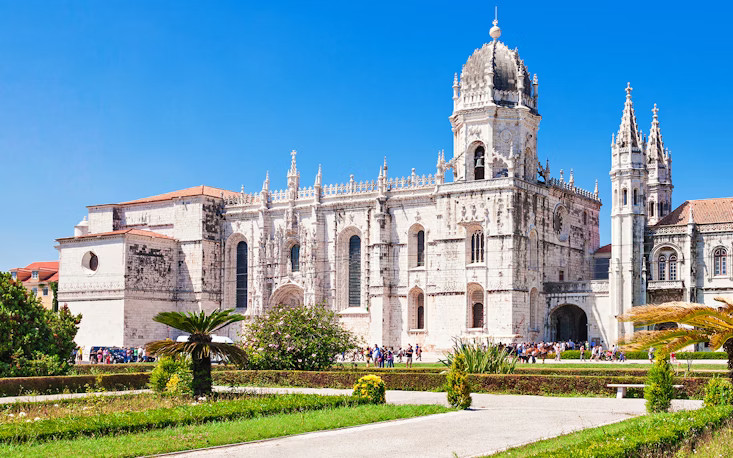
Belém: Belém is synonymous with Portugal's Age of Discovery. This district is home to the iconic Belém Tower, a UNESCO World Heritage site, and the Jerónimos Monastery, a masterpiece of Manueline architecture. The Monument to the Discoveries, located along the Tagus River, pays tribute to the explorers who set sail from Lisbon.

Baixa and Chiado: Baixa and Chiado are bustling districts in the heart of Lisbon. Baixa is known for its elegant squares, such as Praça do Comércio and Rossio Square, as well as the Elevador de Santa Justa, a stunning neo-Gothic elevator offering panoramic views of the city. Chiado, on the other hand, is a cultural and commercial hub, with its theaters, bookstores, and vibrant cafés.
Bairro Alto: Bairro Alto is Lisbon's bohemian quarter, famous for its lively nightlife and artistic atmosphere. As the sun sets, the neighborhood comes alive with Fado music, trendy bars, and restaurants serving traditional Portuguese cuisine. During the day, visitors can explore its unique shops and historic buildings.
LX Factory: LX Factory, a former industrial complex, has been transformed into a creative and cultural hub. Located in the Alcântara district, it features trendy shops, art galleries, restaurants, and a lively atmosphere. The iconic Ler Devagar bookstore, with its towering bookshelves and whimsical décor, is a must-visit.
Best Time to Visit Lisbon
Lisbon's Mediterranean climate makes it an attractive destination year-round, but the best time to visit depends on your preferences and interests.
- Spring (March to May): Spring is one of the best times to visit Lisbon, as the weather is mild and the city is in full bloom. The temperatures range from 15°C to 20°C (59°F to 68°F), making it perfect for exploring the city's outdoor attractions. Additionally, the spring months see fewer tourists compared to the summer, providing a more relaxed experience.
- Summer (June to August): Summer in Lisbon is warm and bustling with activity. Temperatures can soar to 30°C (86°F) or higher, making it ideal for enjoying the city's beaches and outdoor festivals. However, this is also the peak tourist season, so expect larger crowds and higher prices for accommodation and attractions.
- Autumn (September to November): Autumn is another excellent time to visit Lisbon, with pleasant temperatures ranging from 15°C to 25°C (59°F to 77°F). The summer crowds begin to thin out, and the city's parks and gardens are adorned with vibrant fall colors. September, in particular, is a great month to experience the city's cultural events and festivals.
- Winter (December to February): Winter in Lisbon is mild compared to other European cities, with temperatures rarely dropping below 8°C (46°F). While there may be occasional rain, the city remains lively with Christmas markets, festive lights, and cultural events. Winter is also the off-peak season, offering more affordable accommodation options.
Conclusion
Lisbon is a city that seamlessly blends its rich historical heritage with contemporary culture and vibrant energy. From its ancient neighborhoods and iconic landmarks to its creative hubs and lively districts, Lisbon offers a diverse range of experiences for every traveler. Whether you're exploring the narrow streets of Alfama, marveling at the architectural wonders of Belém, or enjoying the nightlife in Bairro Alto, Lisbon promises a journey filled with discovery and enchantment. Additionally, check holidays in Portugal prior to travel to improve your overall tour experience. So, pack your bags and set out to explore this captivating city, where the past and present converge in a harmonious symphony of culture, history, and adventure.
